Divorce Recovery for Women: How Community Removes Shame and Gets You Unstuck
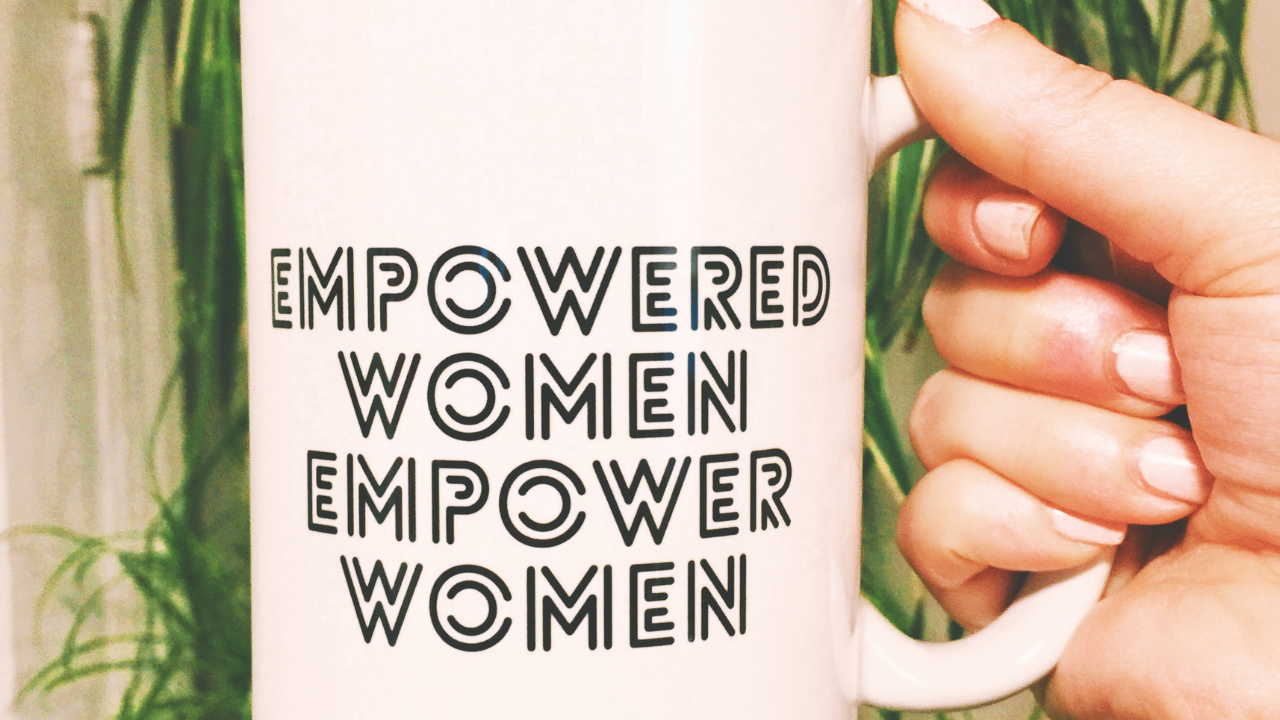
Ask any woman who has come out the other side of divorce what actually helped and she will almost never lead with the attorney or the financial advisor. She leads with the women who showed up.
A lot of women going through divorce — especially in midlife — describe feeling like they’re the only one who is this lost. Like everyone else somehow got a manual they didn’t receive. Like there’s something uniquely wrong with them for struggling this much.
There isn’t. And that’s exactly what real community has the power to show you.
The Moment Everything Shifts
There’s a moment that happens inside communities of women going through divorce recovery that’s hard to describe until you’ve felt it.
A woman asks a question she’s been sitting with for months. Maybe even longer. A question she hasn’t asked out loud because she’s embarrassed, or because she doesn’t want to seem like she doesn’t have it together. And before she can even second-guess herself, six other women say “me too.”
You can almost feel the exhale through the screen.
That’s not a small thing. That moment — realizing you’re not behind, you’re not broken, you are absolutely not alone in this — that’s where a lot of the real healing begins. Not because someone gave her the perfect advice. Just because she stopped feeling so alone with it.
What’s Really Keeping You Stuck (It’s Not What You Think)
Something shifts when that happens. The fear turns down a notch. The fog starts to clear. Turns out a lot of what felt impossible was just… really heavy to carry by yourself.
And so much of that weight is shame.
The “I should know this by now” kind. The “how did I end up here” kind. The “everyone else seems to be handling this better than me” kind. Shame after divorce is incredibly common, and it’s one of the most talked-about and least-talked-about things at the same time. Women feel it constantly and say almost nothing about it.
It just sits there, keeping you stuck in ways that are hard to even name. You can’t quite make decisions. You can’t quite move forward. You’re not sure if it’s fear or inertia or just exhaustion, but something keeps getting in the way.
A lot of the time, it’s shame. And the antidote to shame is not advice. It’s not information. It’s not even time.
It’s being seen by people who actually get it.
Why Being Seen by Other Women Changes Everything
There is something that happens when a woman shares something she’s been carrying quietly — a fear, a mistake, a question she’s ashamed to ask — and is met with recognition instead of judgment.
When it starts to lift — in a room full of women who get it because they’re in it too — things start moving again. Decisions start getting made. Women who came in feeling paralyzed start to see their situation differently. Not because their circumstances changed, but because they finally have perspective instead of just panic.
This is what good community does for women after divorce. It doesn’t just provide information — though that matters too. It changes the emotional experience of going through something hard. And when the emotional experience changes, everything else becomes more possible.
You stop white-knuckling it through alone. You start actually moving forward.
The Difference Between Information and Transformation
There’s no shortage of information available to women going through divorce. Podcasts, articles, books, lawyers, financial advisors, therapists. The information is out there.
But information alone doesn’t change behavior. It doesn’t dissolve shame. It doesn’t make you feel less alone at 2am. It doesn’t give you the courage to ask the question you’ve been too embarrassed to ask for months.
What actually does those things is being in real conversation with women who are in it with you. Women who are a few steps ahead, or right beside you, or who just asked the exact same question last week. Women who nod when you say something out loud you’ve never said to anyone.
That’s transformation. And transformation is what actually moves the needle on healing after divorce.
What Women in Divorce Support Communities Actually Say
Women who find real community during and after divorce often describe a version of the same thing: “I didn’t realize how much I needed this until I had it.”
They talk about finally feeling like they could breathe. About the relief of not having to perform okayness for people who couldn’t handle their honesty. About realizing that the things they thought were uniquely wrong with them were actually just… the experience.
That kind of relief is not a small thing. It’s the beginning of actually moving forward.
Isolation keeps women in divorce stuck longer than almost anything else. Not because they’re weak — but because navigating something this big without the right people around you is genuinely hard. The brain doesn’t problem-solve well under chronic stress and loneliness. Decisions feel harder than they are. Perspective is nearly impossible to find.
Connection changes all of that. Not immediately, not perfectly, but meaningfully.
What to Look for in a Divorce Support Community
Not all communities are equal, and not all of them will give you what you actually need. Here’s what makes the difference:
Women who are at your stage of life. Divorce in your 40s, 50s, or 60s comes with a completely different set of concerns than divorce in your 20s. Financial complexity, longer marriages, questions about identity and what comes next, concerns about aging and retirement — these deserve to be in a room with women who actually understand them.
Honest conversation. Not just cheerleading. Not just “you’ve got this.” The communities that actually help are the ones where women can say the hard things — the scared things, the shameful things, the “I have no idea what I’m doing” things — and be met with real responses.
A mix of support and practical help. Emotional support matters enormously. So does knowing what questions to ask your attorney, how to think about your financial picture, how to make decisions you won’t regret. Good community offers both.
A culture that doesn’t shame. This sounds obvious, but it matters. Women need to be in spaces where they aren’t judged for not knowing things, for making mistakes, for being wherever they are in the process.
You Don’t Have to Figure This Out Alone
Divorce is hard. The after is hard. And carrying it alone makes it harder than it needs to be.
What changes lives isn’t always the perfect legal strategy or the ideal financial plan — though those matter too. What changes lives is finding women who look you in the eye (even through a screen) and say: I know. Me too. And here’s what helped me.
If you’re in the middle of this, or coming out the other side and trying to figure out what’s next — real community isn’t a luxury. It’s one of the most useful things you can give yourself right now.